
What pressure washing in Katy is up against
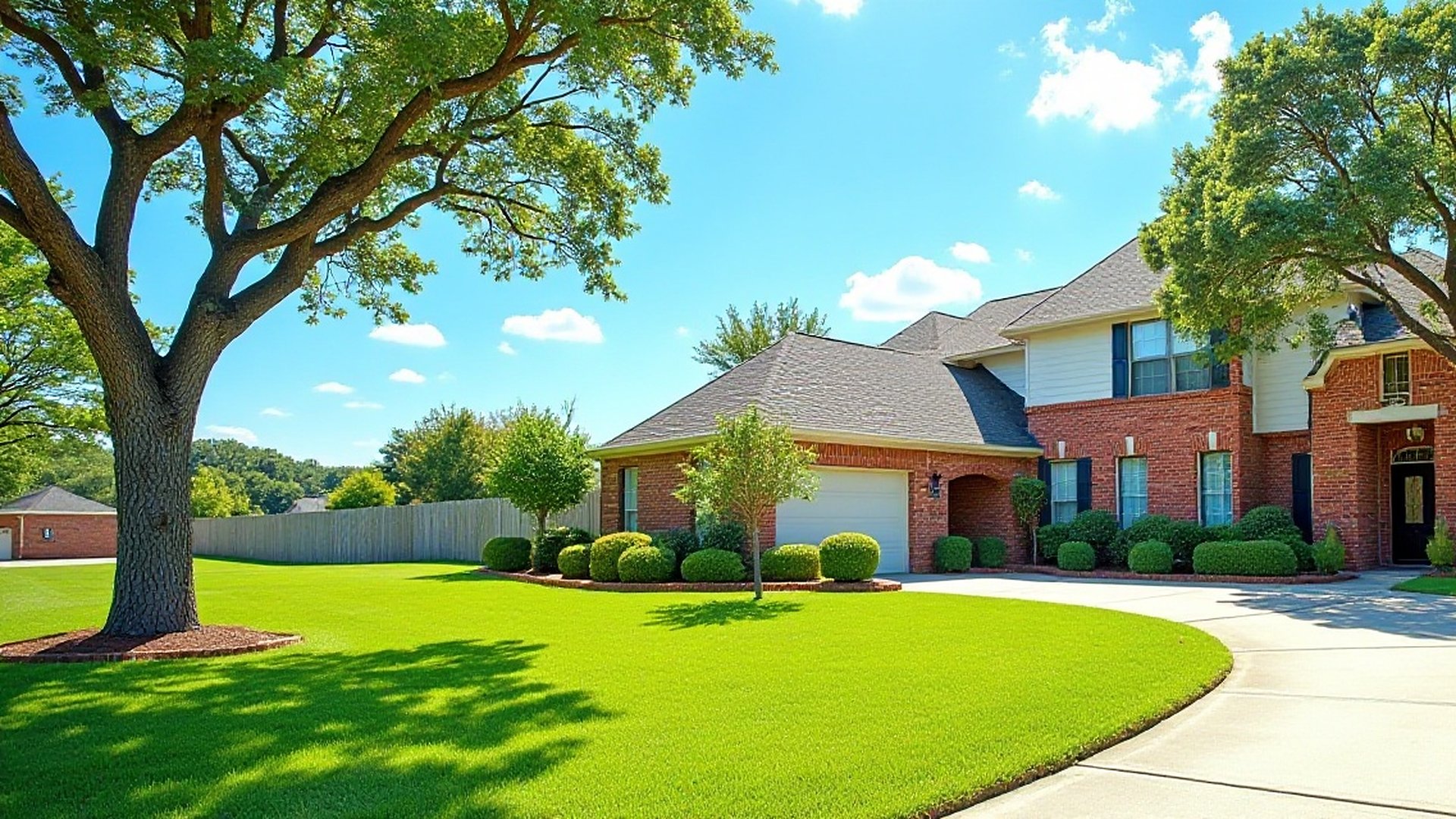
Katy grew out of flat coastal prairie. It started as Cane Island, opened its post office in 1896, and turned to rice after 1901. Texas's first concrete rice dryers went up here in 1944. Most of what people now call Katy came much later, as master-planned neighborhoods spread across the old fields, so pressure washing in Katy usually means wide driveways, brick-and-siding two-story homes and long runs of shared wood fence.
Open country brings wind, and wind brings dust. Soil splashes onto the lowest course of brick and the bottom siding boards every time a storm blows through, and the side of a fence that never sees sun turns green. In late winter and early spring, oak pollen settles on patios and cars. Summer flips the problem around: heat drives up water demand, and that can put limits on washing hard surfaces.
Which rulebook covers your Katy address?
Katy sits where Harris, Waller and Fort Bend counties meet, about 25 miles west of downtown Houston along I-10. A "Katy" mailing address can be inside the City of Katy, in Cinco Ranch, or in an unincorporated neighborhood served by its own water district. Before a summer wash, it helps to know which one you are.
| Where you live | Water-use and drought rules | Exterior standards |
|---|---|---|
| Inside the City of Katy (21,894 people in 2020) | The City's drought contingency plan | City code, plus your HOA if you have one |
| Cinco Ranch (16,899 people in 2020, Houston ETJ) | The water provider named on your bill | The Cinco Ranch associations' deed restrictions |
| Other neighborhoods outside city limits, in Harris, Fort Bend or Waller County | The water provider named on your bill | Your association's deed restrictions, if any |
The quickest test: look at who sends your water bill. That provider's drought plan, not the City of Katy's, is usually the one that applies to your hose and to the company you hire.
Drought stages and a summer wash in Katy
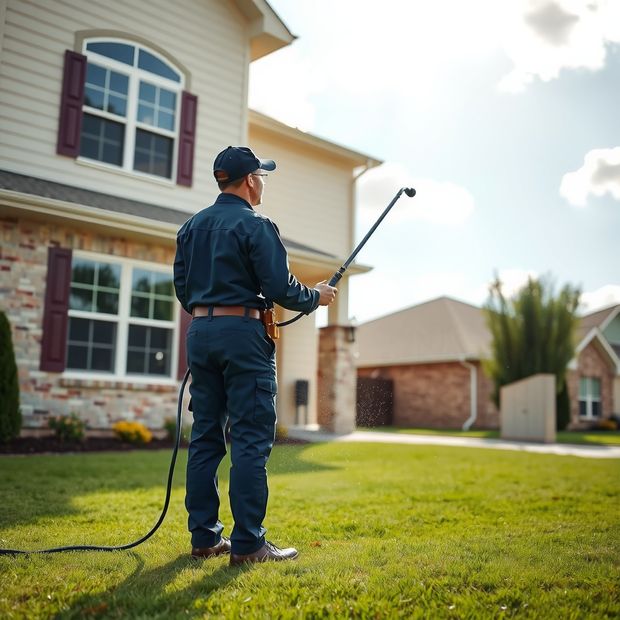
The City of Katy's drought contingency plan names power washing directly. As conditions worsen, it asks residents to cut water used for power washing buildings, sidewalks, driveways, parking lots and other hard surfaces, and its stricter stages go further and restrict hosing down paved areas and buildings. The exact wording for each stage is in the City's code, so read the current version rather than relying on memory.
This is not theoretical. The City called Stage 2 and Stage 3 restrictions in recent summers, including 2022 and 2023, when heat pushed water demand up.
- Find your current stage. Check your water provider's website or bill insert. Inside city limits that is the City of Katy; elsewhere it is your district.
- Mention it on the call. Tell the company you are put through to which stage is in effect. It can say whether the job fits the rules now or should wait.
- Ask where the rinse water goes. Katy's Public Works department runs a stormwater program that takes reports of illicit discharges. Soapy water belongs on the lawn or in containment, not in the street inlet.
- Move the job if you can. If the cleaning is not urgent, a spring or fall date avoids planning around a summer stage at all.
A year of exterior grime in Katy
| When | What builds up | Worth booking |
|---|---|---|
| February to April | Oak pollen, usually peaking in March, on patios, pool decks, sills and screens | A house wash and patio rinse once the pollen has mostly fallen |
| May to September | Soil splash from afternoon storms, mildew on shaded fence sides, possible drought stages | Driveway and fence work early in the season, checked against the current stage |
| June 1 to November 30 | Hurricane season, peaking in September: silt, leaf stains and storm debris | A cleanup after a storm passes, once streets and yards have drained |
| December and January | Shaded walls and fences stay damp through short, cool days | Fence cleaning ahead of a spring stain, and a look at the roof |
Barker Reservoir and old flood lines
Some Katy neighborhoods carry a particular history. During Hurricane Harvey in 2017, water pooled behind Barker Reservoir and entered thousands of homes in parts of Cinco Ranch, Kelliwood and Canyon Gate. The Addicks and Barker dams were built in the 1940s to protect Buffalo Bayou, and in 2019 a federal judge found the government liable for flooding upstream of them.
Years later, a tide line can still show on a back fence, a garden wall or the lower brick of a garage. If you have one, describe it on the call. A company can look at whether it is a surface stain that cleaning can lighten or a mark that has gone into the material, and tell you honestly before you pay for anything.
Big associations and shared fences
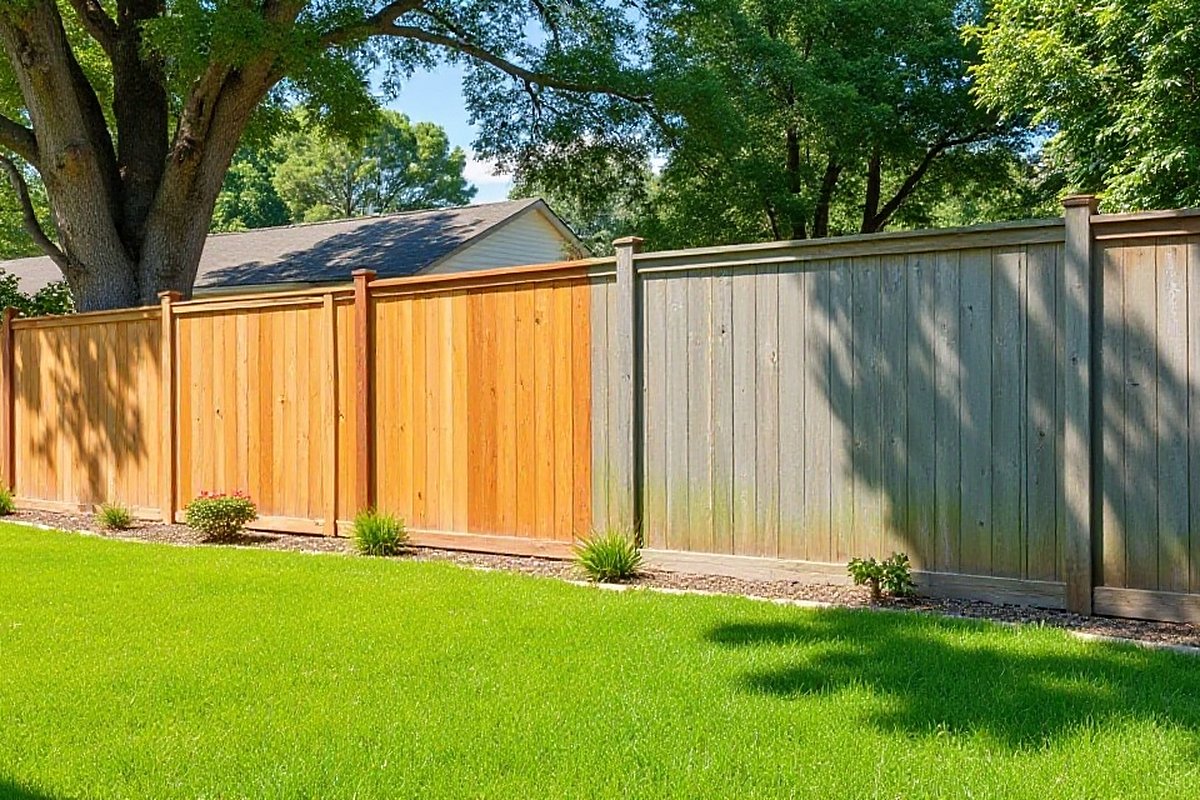
Katy's large master-planned communities lean on deed restrictions to keep streets looking uniform. Cinco Ranch, for example, began in 1984 when a group of developers bought the ranch for a 5,000-acre planned community, and associations there enforce deed restrictions. Some associations also maintain perimeter and common-area fencing, including cutting back ivy and other growth. Before you hire anyone to clean a fence, confirm whether it is yours or the association's, and check your association's current rules on stain colors.
Services that matter most around Katy
- Driveway cleaning: wide two- and three-car driveways show tire marks and the dark strip along the lawn edge first.
- House washing: soft washing takes prairie dust and mildew off brick and siding without forcing water behind the boards.
- Fence cleaning: the common target of HOA letters, and the surface most easily damaged by too much pressure.
- Oil and rust stain removal: garage aprons collect oil drips, and fertilizer can leave orange spots that rinsing alone will not lift.
- Commercial pressure washing: shops, offices and restaurants along the I-10 corridor, out toward Katy Mills (open since 1999), have sidewalks and dumpster pads to keep up.
Why Katy homeowners use the line
- It is free. A deed restriction letter with a deadline is stressful enough. Calling the line to reach a pressure washing company costs you nothing, and the quote comes from that company.
- It answers 24/7. Spot the green fence on a Sunday evening or after a storm clears at midnight, and an automated assistant still takes the call.
- You work with an independent local company. You are put through to an owner-run company in the area and deal with it directly, including questions about drought stages and where the rinse water will go.
- You never pay the line. No fee, no sign-up. Your only bill is from the company you choose to hire.
- Call any hourAn automated assistant answers (832) 662-4107, day or night, and asks which service you need.
- Describe the jobSay what needs cleaning and roughly how big it is. A house, a driveway, a roof, a storefront.
- Get put throughYour call goes to an independent, owner-run local pressure washing company, which hears a short summary first.
- Deal with them directlyThat company inspects, quotes, does the work and is paid by you. If it is out on a job, it calls you back.
How this line works: Houston Power Washing Pro is a free phone line, not a pressure washing company. It connects you with an independent local pressure washing company, which inspects, quotes, does the work and is paid by you directly. Houston Power Washing Pro never charges callers. It may be paid a referral fee by the companies it connects callers with. How it works.
Close to Katy
Neighbors to the north and southeast deal with their own local quirks. Read about pressure washing in Cypress, where MUDs and deed restrictions set the rules, or Sugar Land, where an active association names mildew among its most cited violations. The full list of service areas covers the rest of greater Houston.
Helpful reading before you call: getting a pressure washing quote, whether pressure washing damages concrete, and how often to wash a house.