
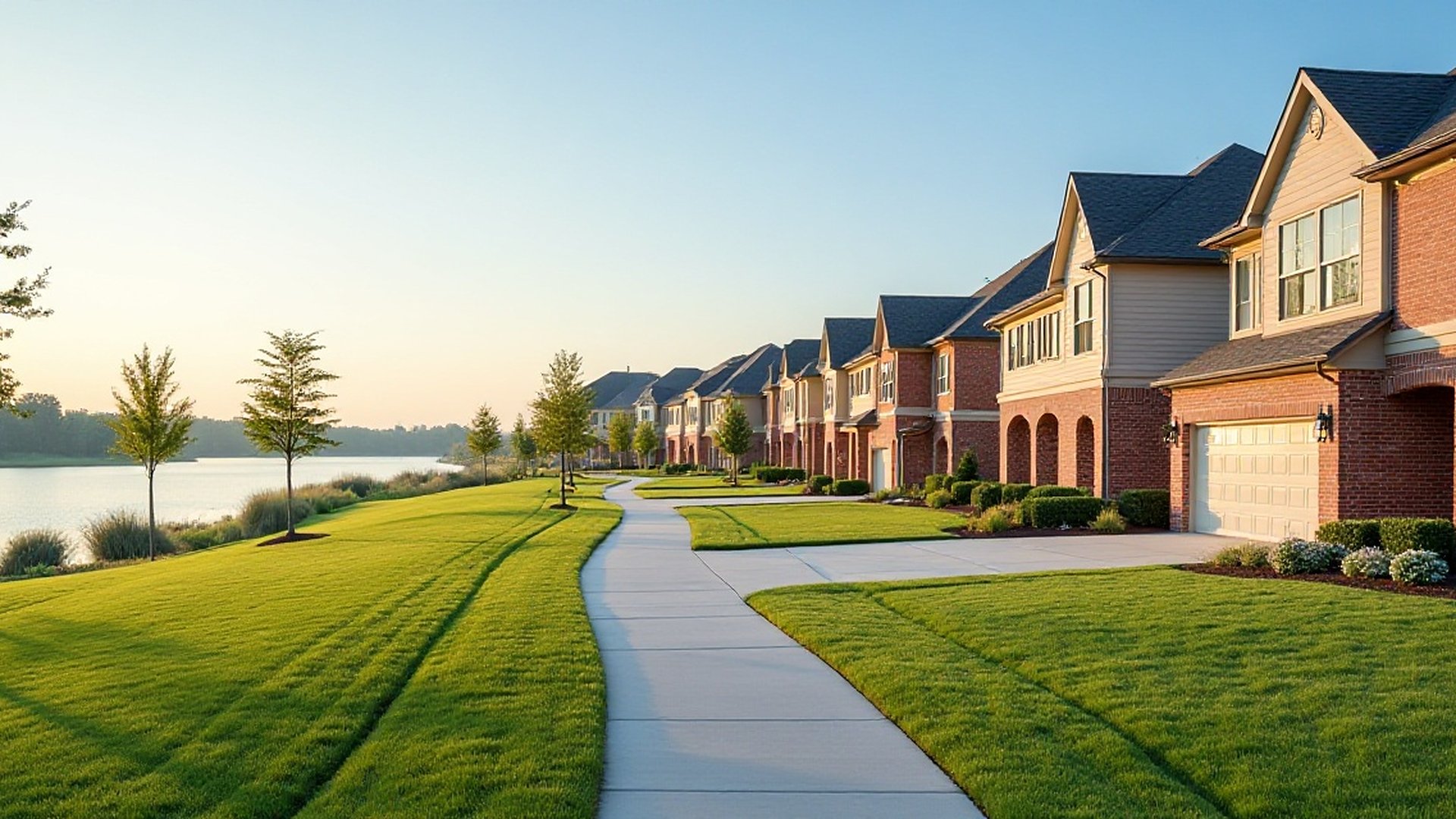
Most Cypress pressure washing calls begin with one of two things: a courtesy letter from the homeowners association, or a slow realization that the driveway, the roof and the north wall have all turned a shade darker since last spring. Cypress is not a city. It is a large stretch of unincorporated Harris County along US 290, roughly 20 miles northwest of downtown Houston, so the rules around your house come from your deed restrictions, your water district and the county.
Houston Power Washing Pro is a free phone number, not a cleaning business, and it has no office in Cypress. When you dial (832) 662-4107, an automated assistant asks what you want cleaned and about how large it is, then hands your call to an independent, owner-run pressure washing company in the Houston area. That company gives you its own price, sets a date with you and is paid by you. The call to the line costs nothing.
Why pressure washing in Cypress comes with its own homework
The Texas State Historical Association describes Cypress as more of a region than a single town: over 100 square miles spread across the Cypress Creek and Little Cypress Creek watersheds, with settlers arriving by 1831 and German families farming along the creek in the 1840s. Today much of that ground is subdivisions and master-planned communities, each with its own covenants. Two homes a mile apart can answer to completely different maintenance standards.
The weather does not respect subdivision lines, though. The nearest long-running National Weather Service station, at Bush Intercontinental, records about 52 inches of rain in a normal year. Purdue Extension notes that mildew grows best where air barely moves, such as walls tucked behind shrubs or trees. Think of the strip between two houses, or the back wall behind a hedge. That is where green and black growth shows up first.
Who decides what for a Cypress home
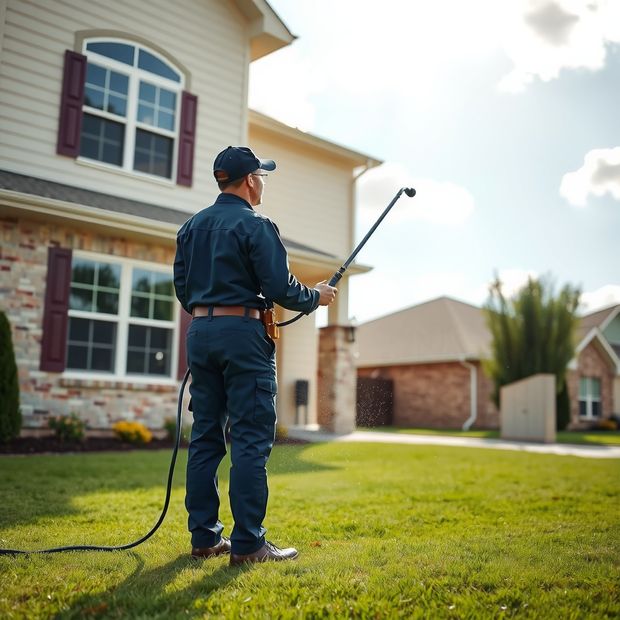
Before you book anything, it helps to know which rulebook covers which part of the job. Here is the short version.
| The question | Who answers it | What it means for you |
|---|---|---|
| How clean the roof, walls and driveway must look | Your HOA's deed restrictions and its management company | At least one Cypress-area association has reminded owners in its newsletter that roofs, driveways and sidewalks should be kept free of mildew. Read your own restrictions for the exact wording. |
| How much water you can use and when | Your MUD or water district, under its own drought plan | There is no single Cypress watering rule. Check your district's notices before a large wash in a dry stretch. |
| Where the rinse water may go | Harris County Engineering, through the county's stormwater quality regulations | Anything that is not entirely stormwater is barred from the storm sewer, apart from listed exceptions. |
| Whether an HOA can fine you right away | Texas Property Code, section 209.006 | An association generally has to send written notice and allow a reasonable time to cure first. |
The water side is worth a minute of your time. Many Cypress districts belong to the North Harris County Regional Water Authority, which is shifting the area off groundwater and onto surface water under the Harris-Galveston Subsidence District plan: a 30 percent cut by 2010, 60 percent by 2025 and 80 percent by 2035. Harris County WCID 132, which serves parts of Cypresswood and Cypressdale, is one example; it buys surface water from the authority. Your bill and any drought notice come from your own district, so that is the place to check.
The services that matter most in Cypress
Any surface around a Cypress home can be cleaned, but these are the ones that tend to come up on association letters and in conversations with neighbors.
- Roof cleaning The dark streaks on asphalt shingles are mostly algae, according to the Asphalt Roofing Manufacturers Association, which warns that high pressure can damage shingles. A soft wash is the method to ask for.
- House washing Brick, stone and painted siding all clean up with low pressure and the right solution, which avoids pushing water behind panels or trim.
- Driveway cleaning The driveway is the first surface anyone sees from the street, including whoever drives the neighborhood for the association.
- Gutter brightening Area HOA reminders mention gutters filling with leaves and pine needles, and the black stripes on the outside face need a gutter cleaner and hand work, not more pressure.
- Fence cleaning Wood fences gray and mildew in shade. Too much pressure leaves fuzzy, raised grain that has to be sanded before stain.
Lakes, creeks and where the rinse water ends up
Water is a big part of what makes Cypress neighborhoods attractive, and it changes how a cleaning job should be planned. Bridgeland, which Howard Hughes has been developing since 2006, covers about 11,400 acres and plans roughly 900 acres of lakes. Those lakes soaked up overflow from Cypress Creek during Hurricane Harvey. Towne Lake, built by Caldwell Companies, is planned around a 300-acre recreational lake.
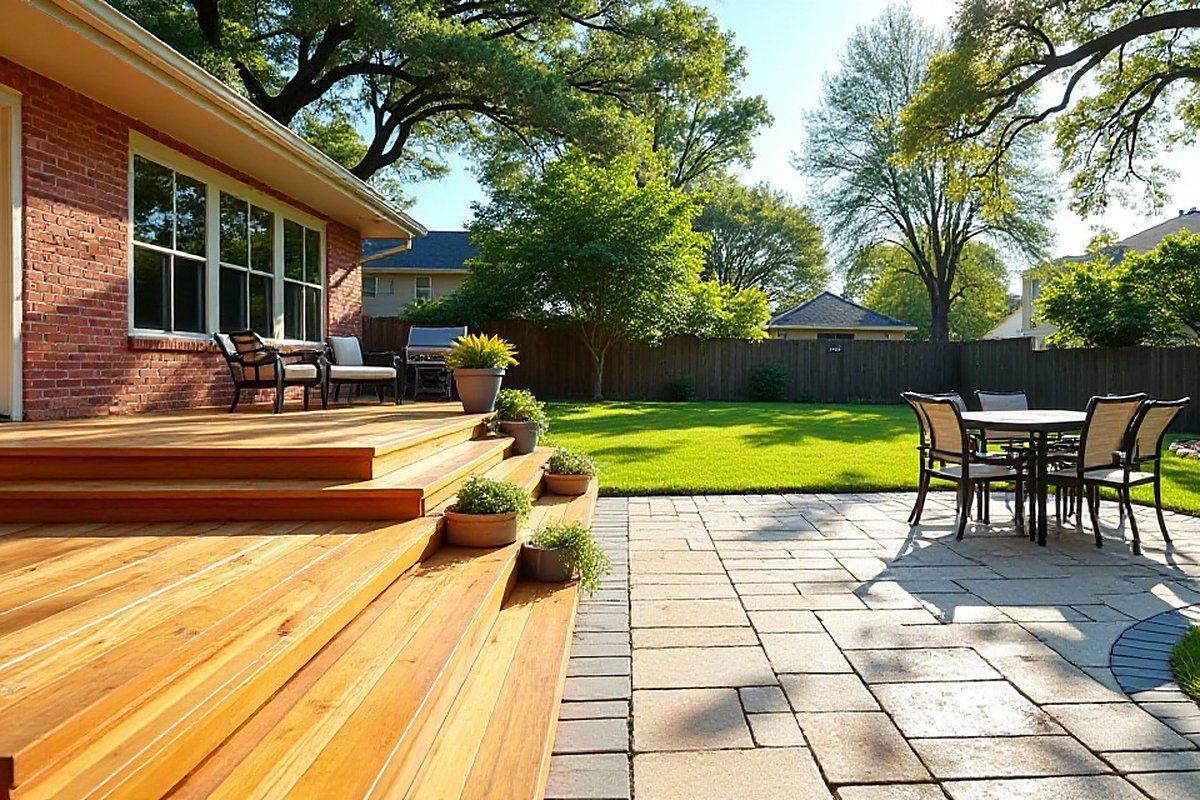
In communities like these, a storm drain at the curb often leads to water you can see from your back porch. Before work starts on a patio, a pool deck or a lakeside walk, ask three things: what product goes on near the shoreline, whether nearby plants get soaked down before and after, and how the rinse water will be kept out of the inlet.
Cypress Creek itself has a long flood history. Its watershed covers more than 300 square miles of northwest Harris County, and Harvey dropped close to 30 inches of rain on it in 2017. Since the Flood Control District's buyout program began in 1985, more than 13,200 homes in the watershed have flooded. If a fence or a brick wall near the creek still carries a faint waterline, describe it when you call so the company knows what it is looking at.
Why Cypress homeowners use the line
The letter came after business hours
Association mail tends to get opened on a weekday evening. Nobody has to be sitting at a desk: an automated assistant takes calls at every hour, so a mildewed roof described at 9 p.m. still gets passed to a company that can ring you back.
Calling costs you nothing
You never pay Houston Power Washing Pro. The only price you see is the one the pressure washing company quotes for the work, and you settle that with the company itself.
You talk straight to the people doing the job
Your call is transferred to an independent, owner-run company, not a middleman who relays messages. Questions about your district's drought stage, the lake behind your yard or the county drain rules go directly to the people who will be on site.
One call covers the whole list
Deed-restriction letters rarely name just one thing. Tell the assistant about the roof, the driveway and the gutters together, and the company hears the full picture before it picks up.
What happens after you call from Cypress
- Call any hourAn automated assistant answers (832) 662-4107, day or night, and asks which service you need.
- Describe the jobSay what needs cleaning and roughly how big it is. A house, a driveway, a roof, a storefront.
- Get put throughYour call goes to an independent, owner-run local pressure washing company, which hears a short summary first.
- Deal with them directlyThat company inspects, quotes, does the work and is paid by you. If it is out on a job, it calls you back.
How this line works: Houston Power Washing Pro is a free phone line, not a pressure washing company. It connects you with an independent local pressure washing company, which inspects, quotes, does the work and is paid by you directly. Houston Power Washing Pro never charges callers. It may be paid a referral fee by the companies it connects callers with. How it works.
If you want to know what a fair quote looks like before the company calls you back, read the guide to getting a pressure washing quote. For timing, how often to wash a house in Houston humidity covers siding, roofs and concrete, and the roof cleaning cost guide explains what shapes that price.
Nearby areas
Cypress shares a border with several other communities the line covers. Pressure washing in Tomball deals with city drought rules that Cypress does not have, Katy to the southwest has its own big master-planned communities, and Spring to the east sits under heavier pine cover.